What Is West Nile Virus?
West Nile virus is most commonly transmitted to people through the bite of an infected mosquito. It was first detected in the United States in 1999 and has since become established across the continental United States.
According to the Centers for Disease Control and Prevention, most people infected with West Nile virus do not develop symptoms. Some experience a mild illness that may include:
- Fever
- Headache
- Body or joint pain
- Vomiting or diarrhea
- Rash
Most people with mild illness recover completely, although fatigue and weakness can sometimes continue for several weeks or longer.
Fewer than 1% of infected people develop a serious illness affecting the central nervous system. These illnesses may include encephalitis, which causes inflammation of the brain, or meningitis, which affects the membranes surrounding the brain and spinal cord.
Symptoms of severe illness can include high fever, neck stiffness, confusion, tremors, muscle weakness, disorientation, or paralysis. Anyone experiencing these symptoms should seek medical care immediately.
No licensed vaccine or medicine is currently available to prevent or specifically treat West Nile virus in people. Medical care focuses on relieving symptoms and supporting the patient during recovery.
How West Nile Virus Spreads
West Nile virus circulates primarily between birds and mosquitoes.
A mosquito can become infected when it feeds on a bird carrying the virus. The mosquito can then transmit the virus when it bites a person, horse, or another animal.
People and horses are considered dead-end hosts. This means they generally do not develop enough of the virus in their blood to infect another mosquito and continue the transmission cycle.
Mosquito bites account for nearly all human West Nile infections. The virus does not spread through normal contact with an infected person, such as touching, coughing, or sharing food.
The CDC’s information about West Nile transmission provides more detail about the mosquito-and-bird cycle and the rare ways the virus may be transmitted.
Which Mosquitoes Spread West Nile Virus in Georgia?
West Nile virus is primarily associated with mosquitoes in the Culex genus. In Georgia, that group includes the southern house mosquito, Culex quinquefasciatus.
Southern house mosquitoes are different from the Asian tiger mosquitoes many North Atlanta homeowners notice biting during the day. Southern house mosquitoes are generally more active from dusk through the nighttime hours.
They often breed in standing water, particularly where leaves, grass clippings, or other organic material have collected. Potential breeding areas around a property may include:
- Clogged gutters
- Storm drains and drainage areas
- Bird baths
- Buckets and outdoor containers
- Plant saucers
- Tarps that hold rainwater
- Neglected pools or water features
The Georgia Department of Public Health’s West Nile virus guidance identifies Culex mosquitoes as the primary mosquitoes associated with the virus in the state.
Not every mosquito carries the virus. You also cannot tell whether a mosquito is infected by looking at it, which is why avoiding mosquito bites remains the most practical form of personal protection.
Who Faces a Greater Risk of Serious Illness?
Anyone can become sick after being infected with West Nile virus, but the likelihood of serious illness increases with age.
Adults over 60 face a greater risk, and that risk continues to rise among older age groups. People with weakened immune systems or certain medical conditions, including diabetes, high blood pressure, kidney disease, or cancer, may also be more vulnerable to severe illness.
Younger, otherwise healthy people can still become ill. Mosquito-bite prevention is relevant to every household and especially important when older adults or people with certain chronic conditions live in or frequently visit the home.
How to Reduce Mosquito Bites Around Your Home
The best way to lower the risk of West Nile virus is to avoid mosquito bites. That requires a combination of personal protection and reducing places where mosquitoes can reproduce around the property.
Remove Water That Mosquitoes Can Use
Check the yard after rainfall and empty containers that have collected water. Bird baths, planters, children’s toys, buckets, tarps, wheelbarrows, and other outdoor items may hold enough water for mosquitoes to lay eggs.
Emptying the water is only part of the process. Scrubbing the inside of containers can help remove mosquito eggs that may remain attached to the surface.
Gutters should also be cleared so water can flow away from the roof instead of sitting among wet leaves and other debris.
Use an EPA-Registered Insect Repellent
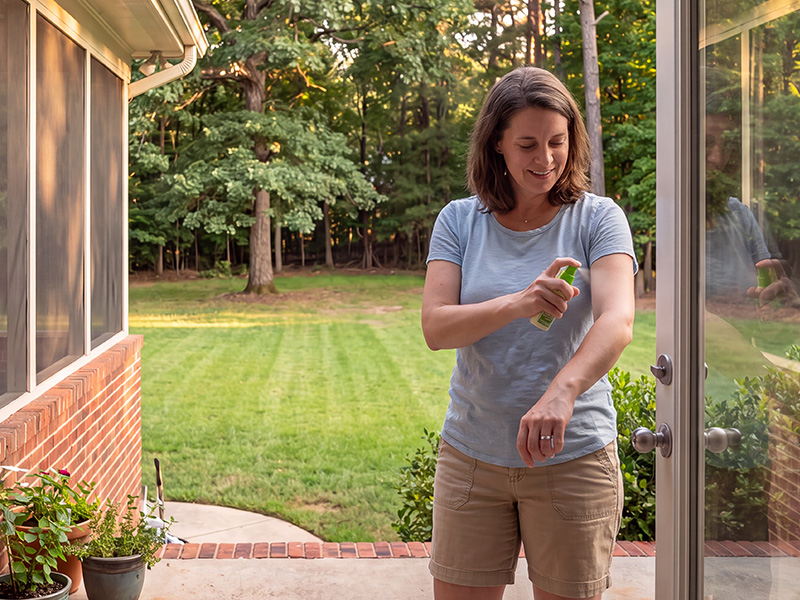
Apply an EPA-registered insect repellent when spending time outside and follow all directions on the product label.
Repellents containing active ingredients such as DEET, picaridin, IR3535, or oil of lemon eucalyptus can help protect exposed skin from mosquito bites when used correctly.
Cover Exposed Skin When Practical
Loose-fitting long sleeves, pants, and socks can make it harder for mosquitoes to reach the skin. This can be especially helpful during evening activities or when spending time near wooded, shaded, or damp areas.
Keep Mosquitoes Outside
Repair damaged window and door screens and make sure exterior doors close properly. Mosquitoes can enter through small tears, loose screens, or doors that are regularly left open.
Take Precautions Whenever Mosquitoes Are Active
Many Culex mosquitoes are most active from dusk through the night. However, other mosquito species found in North Metro Atlanta may bite during the day.
The Georgia Department of Public Health notes that mosquitoes can bite during both the day and night, so repellent should be used whenever mosquitoes are active—not only at a particular time of day.
Mosquito Activity Around North Metro Atlanta Homes
Warm weather, frequent summer rain, dense landscaping, wooded property edges, creek lines, drainage swales, and heavy shade can all support mosquito activity around North Metro Atlanta properties.
Homes near Lake Lanier and other bodies of water may experience noticeable mosquito pressure, but mosquitoes do not need a lake, pond, or large wetland nearby to reproduce. Small pockets of water around an individual property may provide breeding sites, while dense, shaded vegetation can give adult mosquitoes places to rest.
Properties in Cumming, Alpharetta, Roswell, Johns Creek, Milton, Canton, Woodstock, Dawsonville, and surrounding communities may also have shaded vegetation where adult mosquitoes rest during the warmer parts of the day.
Regular property checks can eliminate many breeding areas. When mosquitoes remain active, a professional inspection may uncover additional water-holding areas or shaded resting sites contributing to the problem.
How Professional Mosquito Control Can Help
Property maintenance, insect repellent, protective clothing, and well-maintained screens remain important even when a home receives professional mosquito service.
When mosquitoes continue to interfere with time spent outside, professional mosquito control in North Metro Atlanta can provide another level of help.
got bugs? has served North Metro Atlanta homeowners since 2006. During mosquito service, our team evaluates the property for mosquito breeding and resting areas, including shaded landscaping and less obvious places where water may collect.
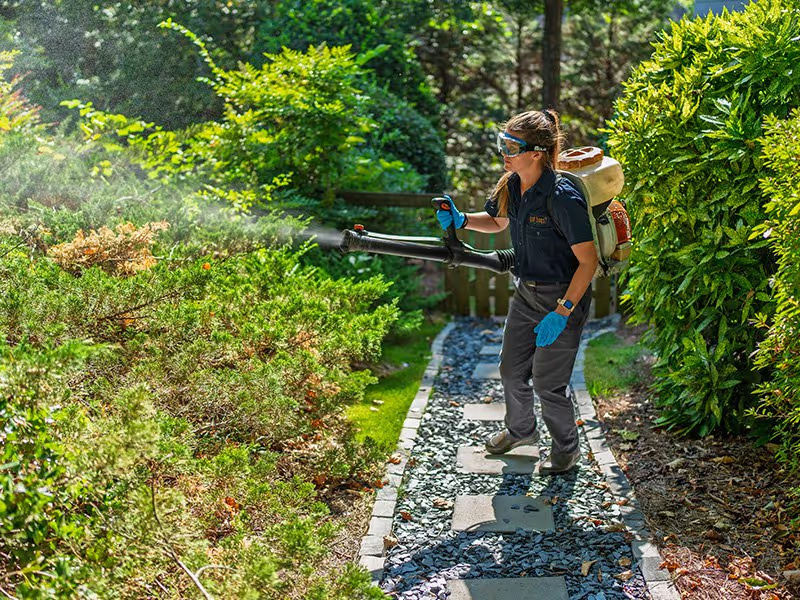
We then apply targeted treatments based on the conditions around the home. Seasonal mosquito treatments provide ongoing mosquito control during the months when activity is highest rather than relying on a single application.
Professional mosquito control cannot eliminate every mosquito or guarantee that a mosquito-borne illness will be prevented. It can, however, significantly reduce mosquito activity in the outdoor areas your household uses most.
Seasonal mosquito treatments are also included in our Healthy Home Protection Premier plan. The plan combines year-round household pest control, termite protection, and mosquito service under one residential program.
West Nile Virus FAQs
Can West Nile virus spread from one person to another?
Not through normal contact. Nearly all infections come from mosquito bites, although rare transmission can occur through blood transfusions, organ transplants, pregnancy, delivery, or breastfeeding.
Does finding mosquitoes in my yard mean West Nile virus is present?
No. Mosquito activity does not automatically mean West Nile virus is circulating on your property. Public health agencies may use reports of human and animal illness, along with mosquito surveillance where available, to track West Nile virus activity.
How soon do West Nile virus symptoms appear after a mosquito bite?
Symptoms usually begin two to six days after the bite of an infected mosquito, although they can appear anywhere from two to 14 days later. It may take longer for symptoms to develop in someone with a weakened immune system.
Can dogs and cats get West Nile virus?
Dogs and cats can become infected with West Nile virus, but illness is uncommon. Contact your veterinarian if you have concerns about a pet’s health following mosquito exposure.
Reduce Mosquito Activity Around Your Home
If mosquitoes are making it difficult to enjoy your yard, got bugs? can inspect your property and recommend a service based on the conditions around your home.
Contact us to request a free mosquito control quote or to find out whether Healthy Home Protection Premier is the right fit for your household.
This article is for general educational purposes and is not a substitute for medical advice, diagnosis, or treatment. Contact a healthcare professional if you have concerns about possible West Nile virus symptoms.