American Cockroach (Palmetto Bug) in Georgia: How to Identify + Get Rid of Them
American cockroaches are often called palmetto bugs in Georgia, and once you see one, you’ll never forget it. These roaches are large, fast, and prefer warm, humid environments, which makes Georgia a perfect place for them to thrive.
If you’ve spotted a big roach inside your home, it’s understandable to be concerned. The good news is they usually prefer warm, damp areas and don’t thrive in clean, dry spaces. The bad news is they’re tough to eliminate without professional help.
Identification: What American Cockroaches Look Like
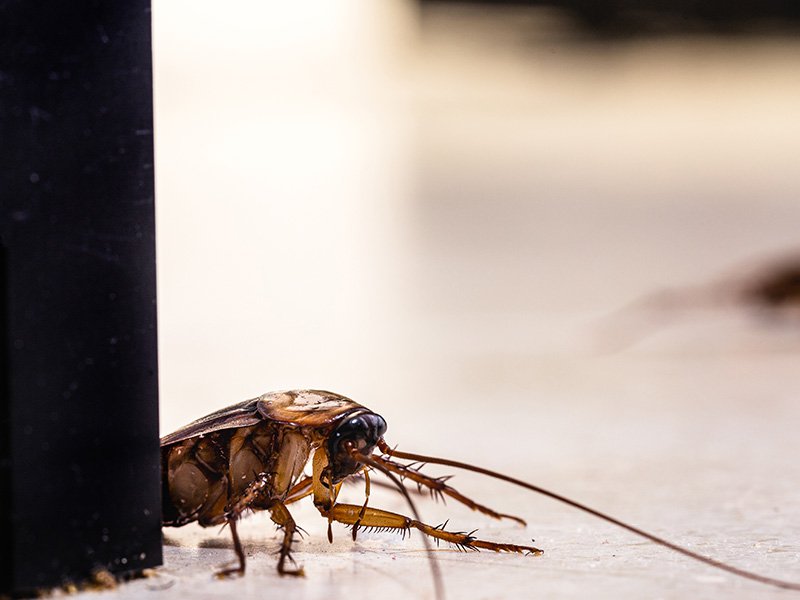
American cockroaches are among the easiest to identify because of their size and shiny reddish-brown bodies.
Quick ID
- Color: Reddish-brown, shiny
- Size: Adults can grow up to 2¼ inches
- Wings: Long wings that extend past the abdomen
- Antennae: Long and constantly moving
- Legs: Spiny legs built for fast running
- Nymphs: Wingless and smaller, with cerci (small tail-like appendages) visible at the back
American vs German vs Asian Cockroaches
If you’re seeing roaches, it helps to know which species you’re dealing with. Here’s a quick comparison:
American Cockroach
- Large (up to 2¼ inches)
- Reddish-brown
- Lives in warm, humid areas
- Often found in drains, basements, and garages
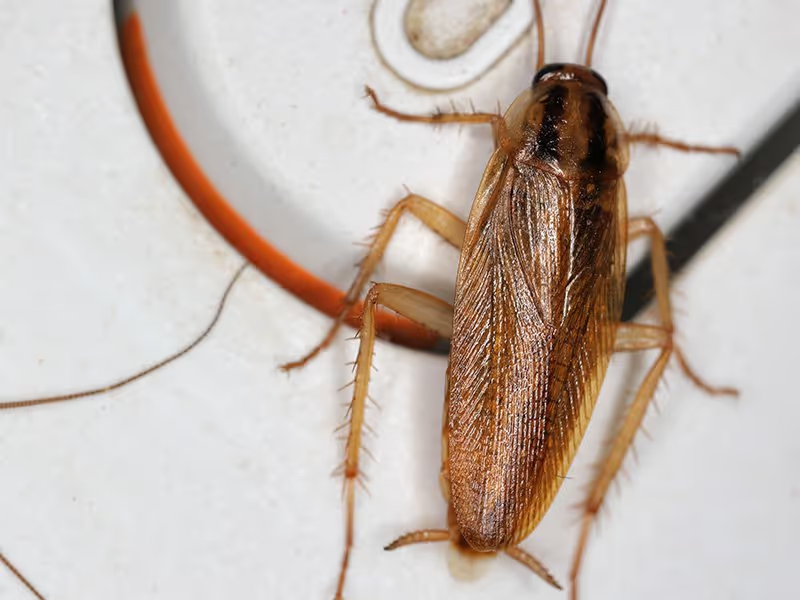
German Cockroach
- Small roaches (about ½ inch)
- Light brown with two dark stripes
- Common in kitchens and restaurants
- Reproduces quickly
Asian Cockroach
- Medium size (1–1½ inches)
- Dark brown with pale markings
- Often found outdoors near mulch and plant beds
- Can fly more than the other species
Do American Cockroaches Fly?
Yes, but not often.
Quick flying facts
- They have working wings, but don’t usually fly
- On hot days, they may glide short distances
- Their “flight” is often mistaken for jumping
Where Do American Cockroaches Hide in a Home?
American cockroaches are fast, agile, and adept at squeezing into tight spaces.
Common hiding spots
- Under kitchen appliances
- Wall voids and baseboards
- Inside cardboard boxes and clutter
- Drains and pipes
- Bathrooms and laundry rooms
- Attics and storage areas
They like tight, dark, warm spaces, and they’re attracted to food sources like crumbs, grease, and even decaying paper.
What Attracts American Cockroaches to a Home?
American cockroaches are attracted to homes with:
- Open or dirty trash cans
- Moisture near the foundation
- Tall grass, mulch, and dense landscaping
- Compost piles
- Cardboard stacks or clutter
- High insect activity (they eat other insects)
Are American Cockroaches Harmful to Humans?
Yes. While they rarely bite people, American cockroaches can still cause health issues:
- Spread salmonella, E. coli, and other germs
- Leave fecal matter that can contaminate food
- Trigger allergies and asthma
- Damage paper products, clothing, and wallpaper
How Do American Cockroaches Get Inside?
American cockroaches can squeeze through tiny gaps and climb walls easily.
Common entry points include:
- Gaps around doors and windows
- Cracks in the foundation
- Gaps around plumbing and wires
- Damaged rooflines or vents
- Broken screens
What Should I Do If I Find an American Cockroach?
If you see one, it’s best to take action quickly.
- Clean up crumbs, grease, and food debris
- Store food in sealed containers
- Fix leaks and reduce moisture
- Remove cardboard and clutter
- Seal cracks and gaps around doors and pipes
- Call a professional pest control company
How to Prevent American Cockroaches
The best prevention is a clean, dry, and sealed home. We recommend the following prevention tips:
- Keep kitchens clean and free of food debris
- Fix moisture problems (especially under sinks and around pipes)
- Reduce clutter and cardboard
- Maintain landscaping away from the home
- Schedule regular pest control for long-term protection
When Should I Call a Pest Control Company?
If you see roaches or suspect an infestation, it’s best to contact got bugs? right away.
Serving North Atlanta metro since 2006, our locally owned and family-operated pest control company offers ongoing pest control plans designed to keep American cockroaches and other house-infesting pests out year-round.